

From Salone del Mobile through the eyes of Jan-Marie Jaillel
There is always a moment at Salone del Mobile where you start to see it clearly.
Not a single product. Not one standout stand or headline launch.
But a feeling.
A shift in how spaces are being imagined.
This year in Milan, that feeling was restraint.
Not restraint in a minimalist sense, but in a more considered one. A quieter confidence. Spaces that felt resolved more completely, materials used with intention, and details refined to the point where nothing appeared accidental.
Across kitchens, bathrooms, furniture, lighting, and appliances, there was a strong sense that design is moving away from excess and toward something more intelligent, immersive, and deeply liveable.
As part of a curated design delegation travelling with KBDI and ACFA, I spent my time at Salone observing not only the products being released, but the broader conversations happening underneath them.
And what Milan revealed this year was clear.
The future of interiors is not about adding more.
It is about resolving spaces more thoughtfully.
Bathrooms Are Becoming Complete Environments
The bathroom halls set the tone almost immediately.
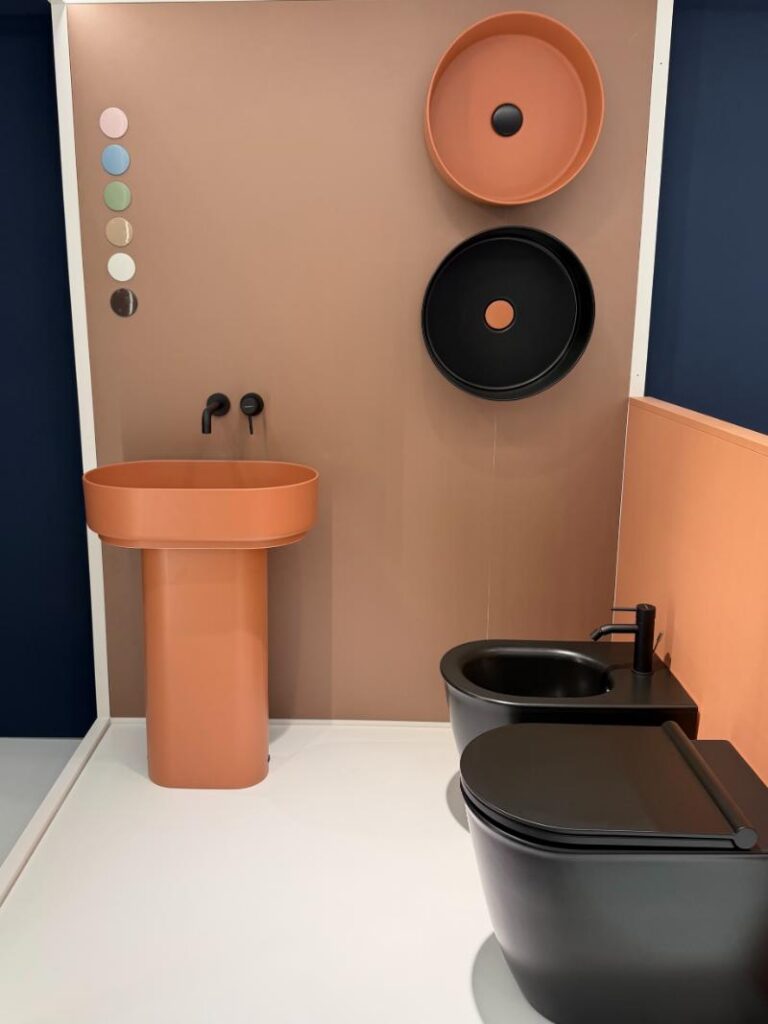
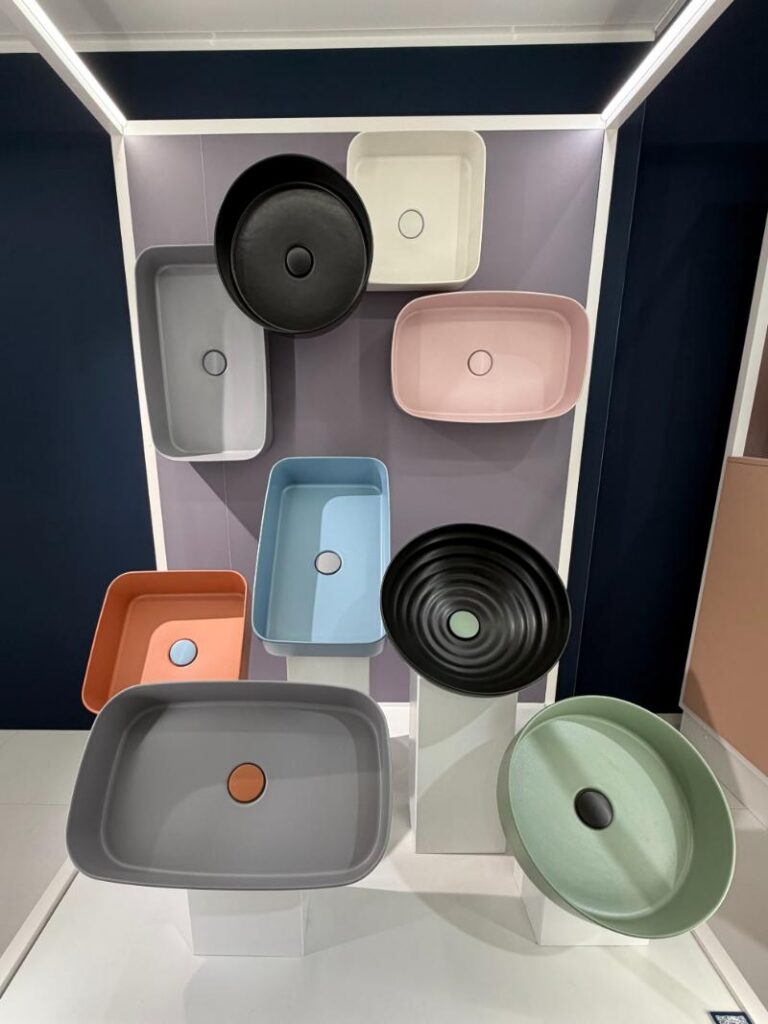
Colour was the first thing that landed.
Soft powder blues, warm nudes, muted greens, and earthy mineral tones created calm foundations, layered with richer ochres, burgundy, plum, and terracotta used with confidence. Yet despite the stronger palette, nothing felt overwhelming.
There was discipline to it.
Colour is no longer being treated as an accent.
It is becoming part of the architecture of the room itself.
Curves Are Becoming More Purposeful
Curves were another defining direction, but unlike the softer trends of recent years, these forms now feel more purposeful and integrated. Rounded vanities, sculptural freestanding baths, curved joinery, and softened mirrors were not simply decorative gestures.
They improved movement, resolved difficult corners, softened transitions, and often concealed storage within them.
That distinction matters.
The best design at Milan wasn’t trying to appear trend-driven. It was quietly solving problems.


Bathrooms Are Shifting Toward Wellness and Atmosphere
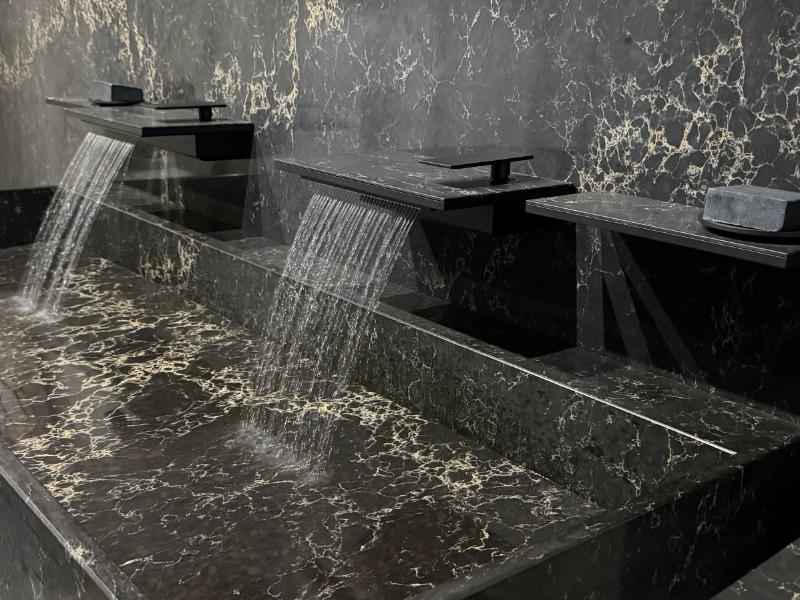
One of the strongest shifts was the way bathrooms are now being designed as complete environments rather than a collection of individual selections. Basins flowed seamlessly into benchtops using the same material. Tapware, accessories, and finishes worked within cohesive tonal palettes. Lighting became integrated rather than applied.
The result was immersive.
Nothing felt disconnected.
Travertine featured heavily throughout the halls, reinforcing the continued desire for natural materiality and permanence. Textured stone, tactile finishes, and softer matte surfaces brought warmth and emotional depth to spaces that were once treated purely as functional.
Wellness also continues to influence bathroom design in meaningful ways.
Steam functions, integrated ambient lighting, spa-inspired detailing, and sensory layering were everywhere. Bathrooms are clearly evolving into spaces people retreat to, not simply move through.
And perhaps most noticeably, there was an emotional quality to these spaces.
They felt quieter.
More calming.
More connected to how people actually want to live.
Kitchens Are Evolving Through Refinement, Not Reinvention
The kitchen halls carried a similar energy, although expressed differently.
Interestingly, there was very little that felt radically new.
And that was exactly the point.
The progress happening in kitchen design right now is quieter, but far more meaningful.
Proportions felt better resolved.
Details were tighter.
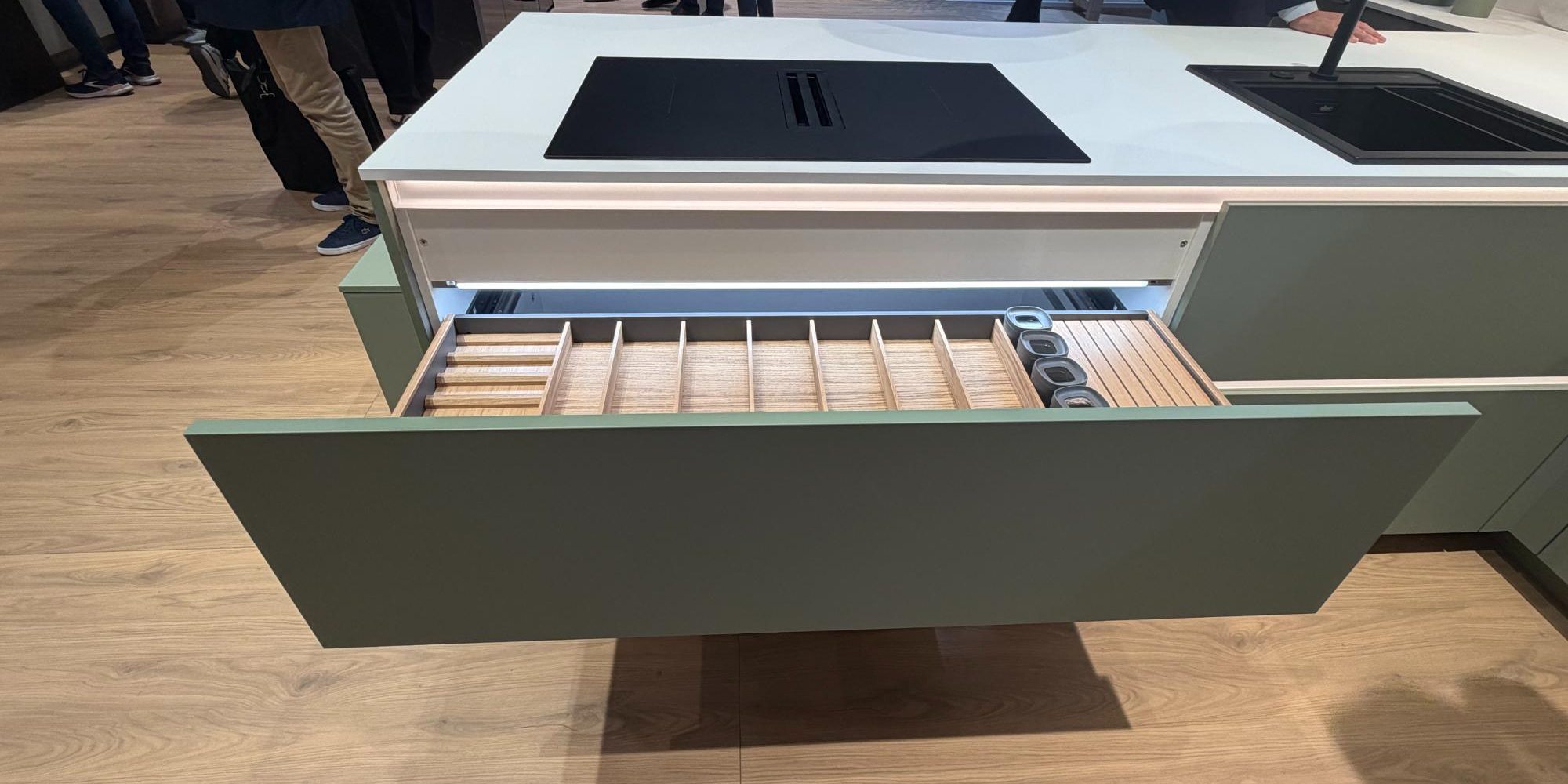
Storage systems were smarter.
Materials were warmer.
Nothing appeared overworked.
Rather than dramatic reinvention, Milan revealed an industry focused on refinement.
Intelligent Appliances Are Becoming Invisible
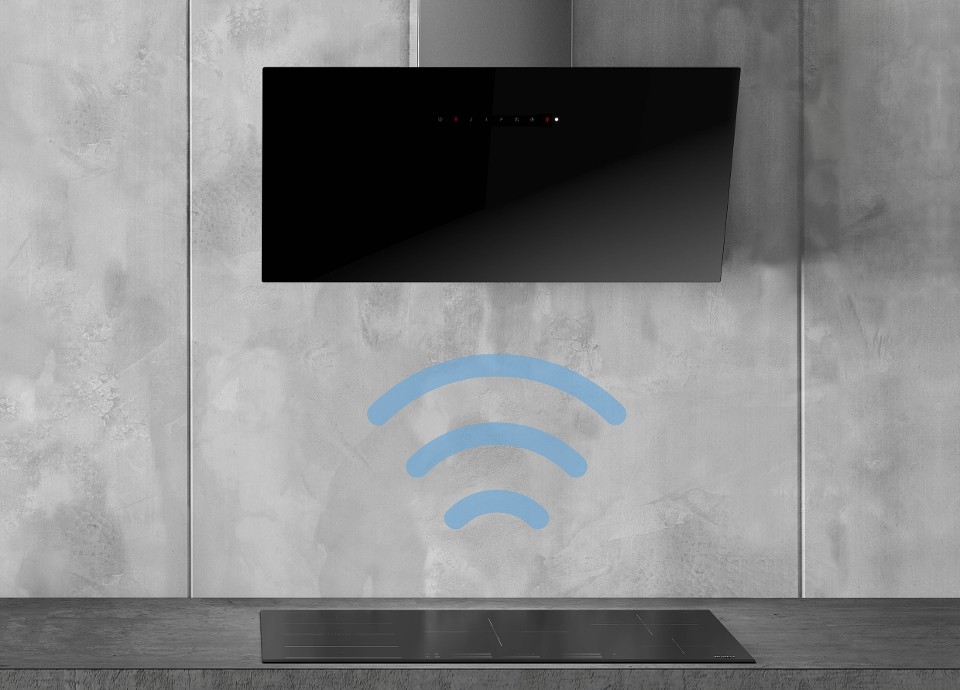
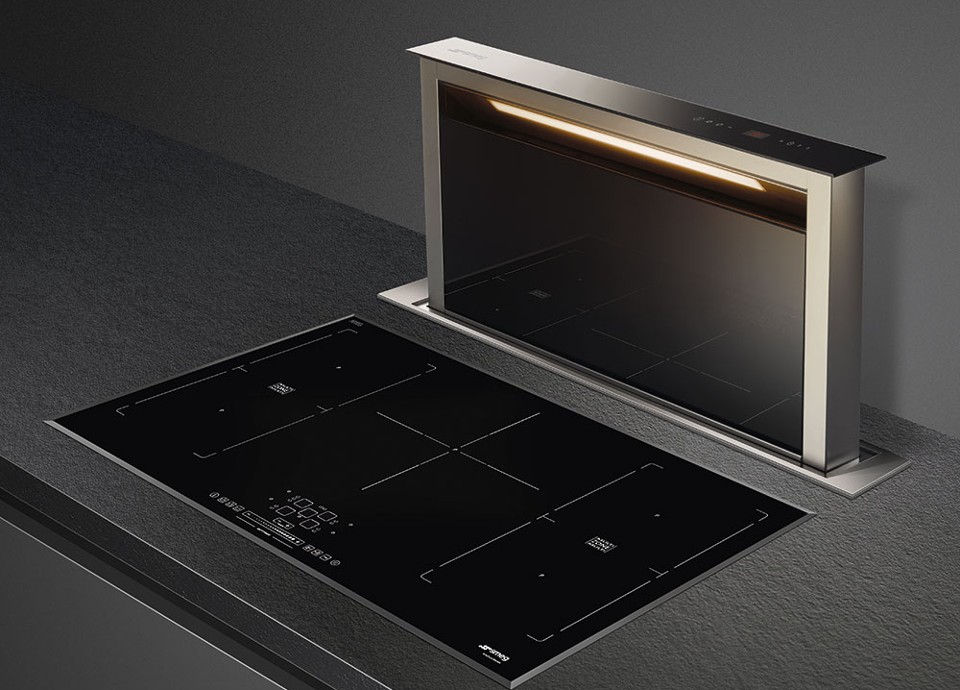
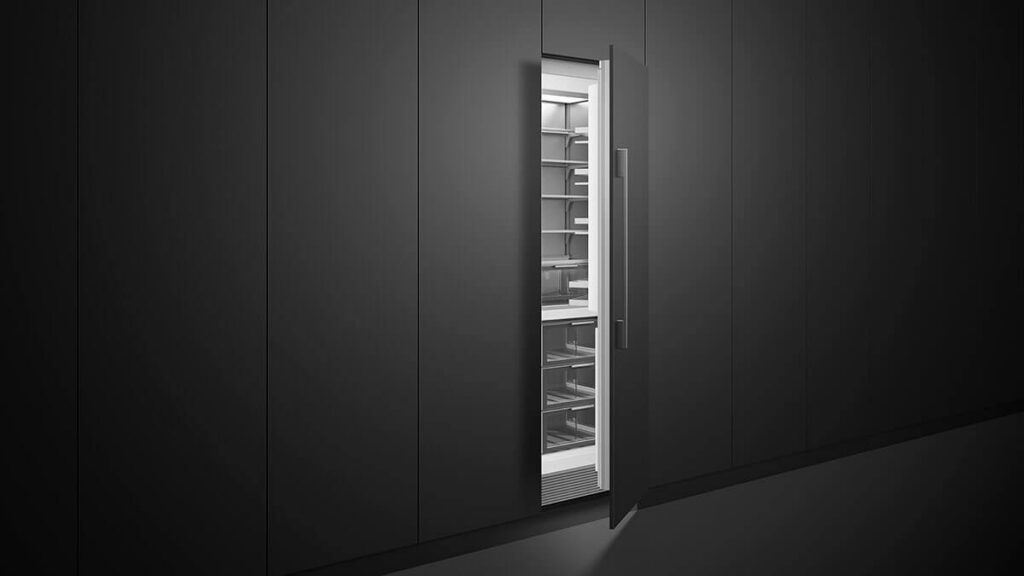
Across brands like Miele, Smeg, and Fisher & Paykel, appliances are becoming increasingly intelligent, but in a far less visually intrusive way. Technology is working harder behind the scenes while the visual language of the kitchen becomes calmer and more architectural.
This subtle integration is shaping the future of kitchen design.
Appliances are no longer demanding attention.
They are supporting the experience of the space.

Storage Innovation Is Driving Better Living
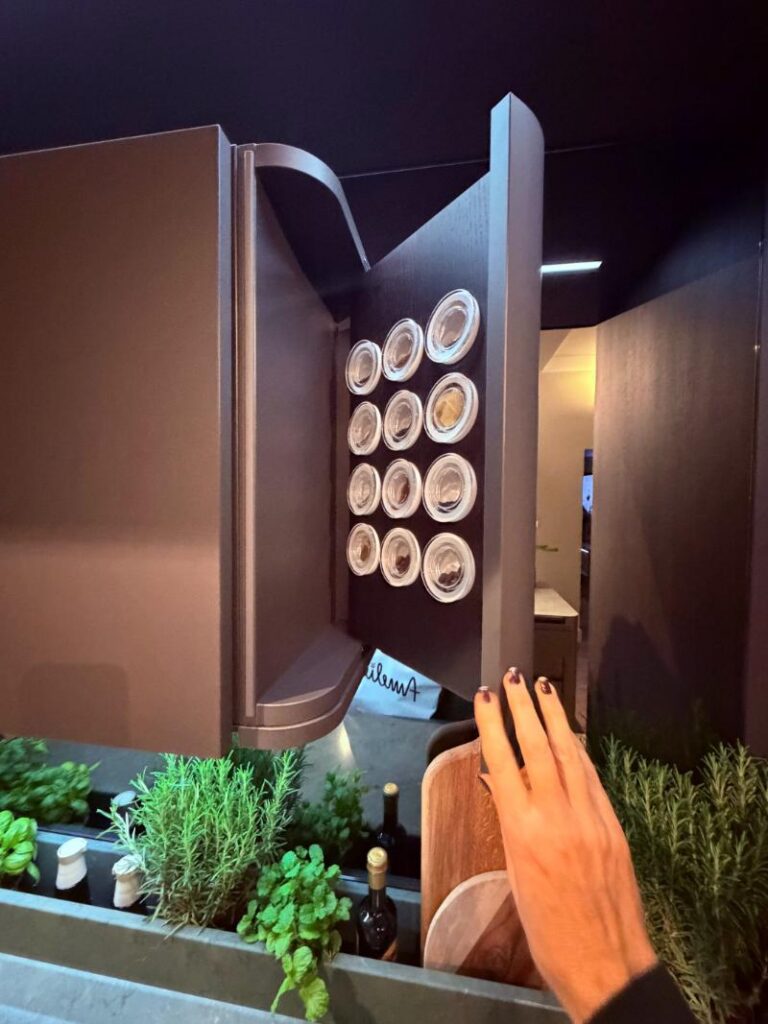
Storage innovation remains one of the most impressive areas within European kitchen design. Because many European homes work within tighter footprints, every centimetre is considered carefully.
Concealed systems, modular functionality, sliding benchtops, hidden preparation zones, and integrated storage solutions demonstrated an incredible level of ingenuity.
Not every solution translates directly to Australian homes, but the thinking behind them absolutely does.
The emphasis is shifting toward kitchens that work harder while feeling calmer.
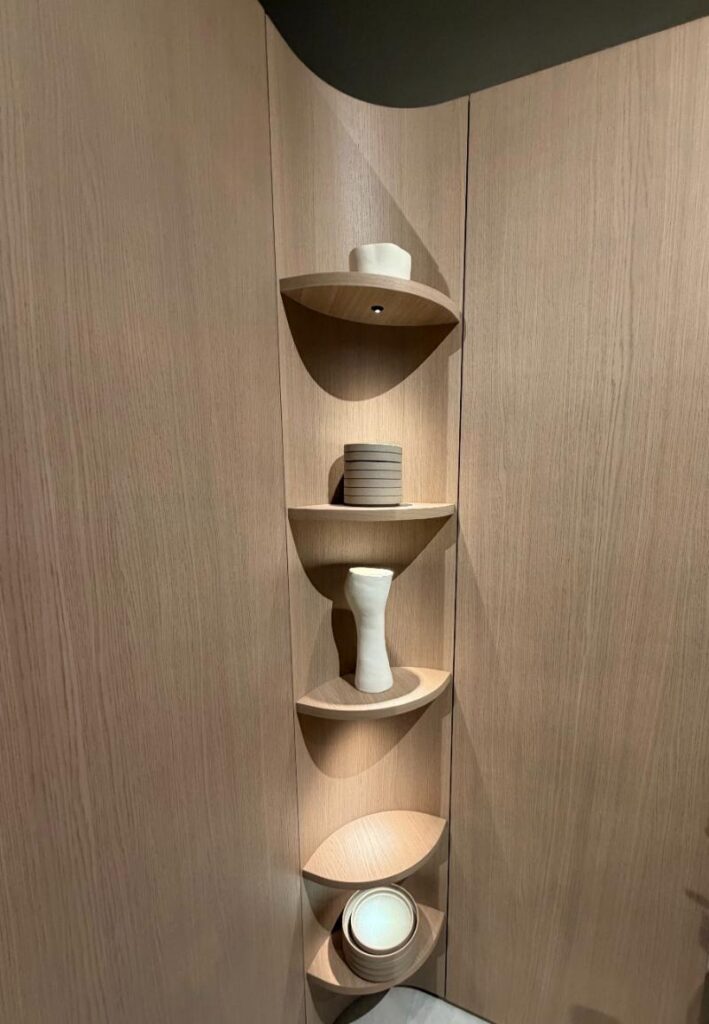
Curves also continue to influence kitchen design, although in a far more mature and resolved way than previous years. Rounded forms are now integrated into functional outcomes — softening corners, improving circulation, and incorporating storage into the architecture itself.
Materiality Feels Warmer and More Human
Lighting was another major focus.
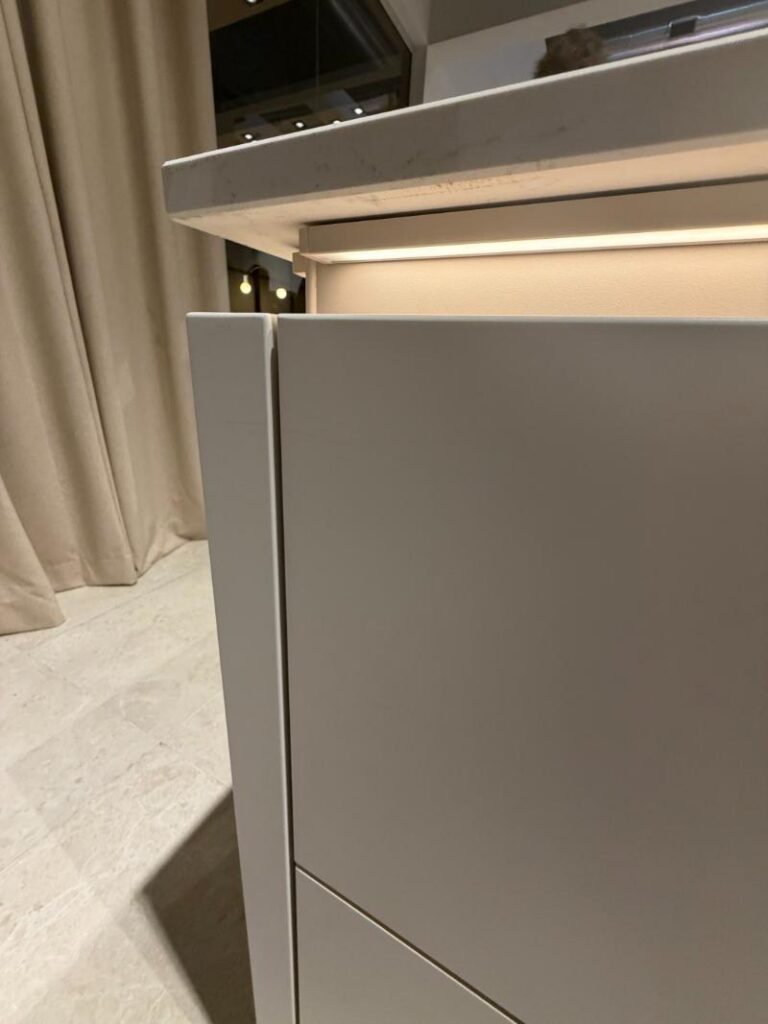
Integrated illumination within shelving, drawers, cabinetry, and joinery creates a softer emotional experience of the kitchen, particularly during quieter moments of the day.
Materiality felt warm, layered, and tactile.
Stainless steel is returning, but in a more refined and controlled way, particularly through benchtops and detailing. Natural stone remains central, while timber veneers, textured glass, and softer matte finishes continue to bring depth and warmth.
Handles are increasingly disappearing altogether.
Recessed pulls, shadow lines, and minimal detailing allow the materials and proportions of the joinery to become the hero.
And ultimately, that felt like the larger message.
The best kitchens in Milan were not trying to impress through excess.
They were creating ease.
Utility Spaces Are Becoming More Thoughtful
One of the more interesting observations this year was the growing focus on utility spaces.
Laundry design, fabric care, and integrated household functionality are receiving far more design attention than ever before.
This reflects a broader shift happening across interiors generally.
Design is becoming increasingly connected to how people actually live.

Fabric Care and Laundry Design Are Evolving
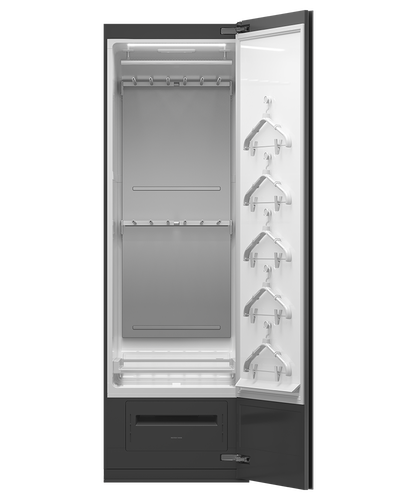
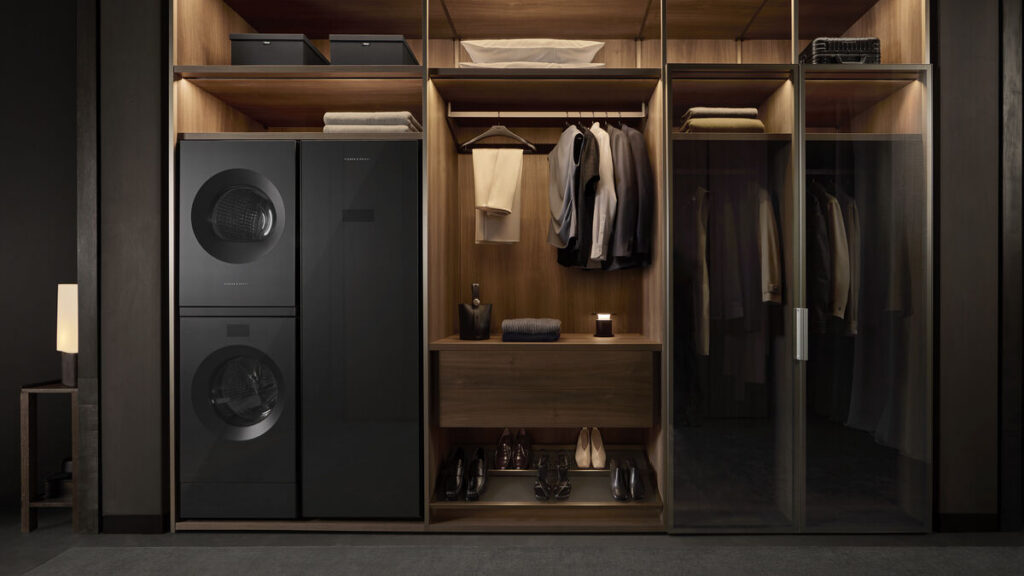
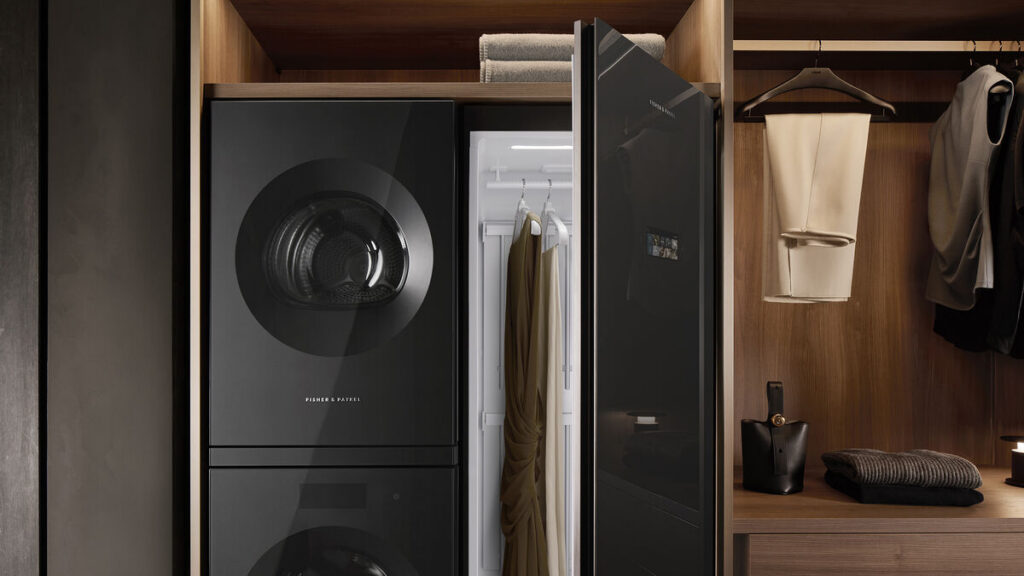
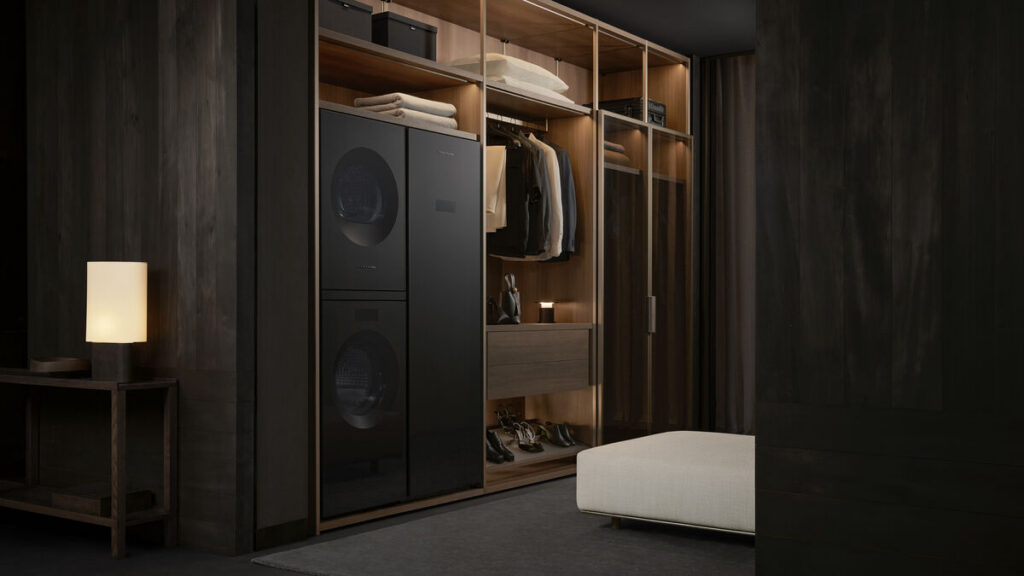
One standout release that captured this direction beautifully was the Fisher & Paykel Series 11 Minimal Fabric Care Cabinet.
Rather than treating laundry care as hidden or purely practical, products like this elevate utility into part of the overall living experience.
The cabinet offers steam, drying, deodorising, and fabric care functionality for delicate materials including leather and cashmere, while maintaining the same refined visual language now expected within luxury interiors.
It is thoughtful innovation.
And that idea appeared repeatedly throughout Milan.
The most valuable design solutions were often the ones improving daily rituals in subtle ways.
Furniture Is Becoming More Architectural
The furniture halls carried a similar energy, although expressed with greater boldness.
Colour was everywhere.
Not layered quietly, but used deliberately and with conviction.
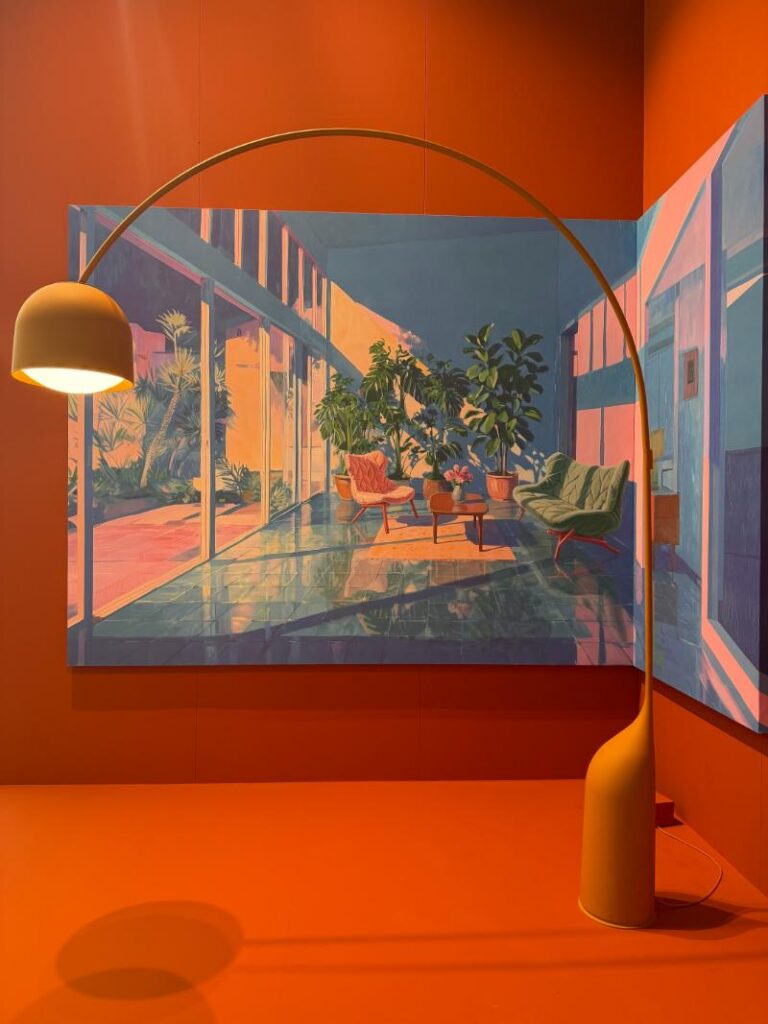
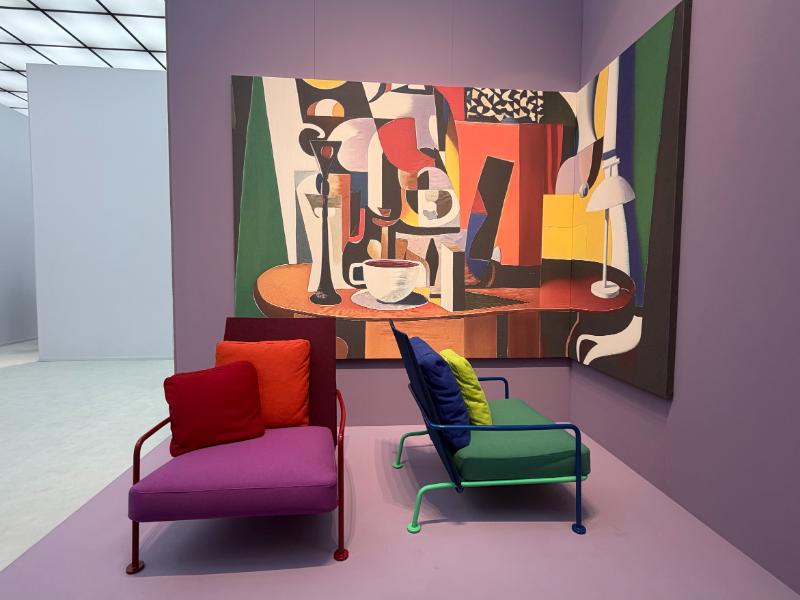
Deep olive, ochre, rust, plum, terracotta, and saturated earth tones appeared consistently across upholstery, joinery, lighting, and decorative objects.
What made these palettes successful was the control behind them.
Even the strongest colour applications felt grounded through materiality, proportion, and restraint.
Furniture Is Shaping Space, Not Filling It
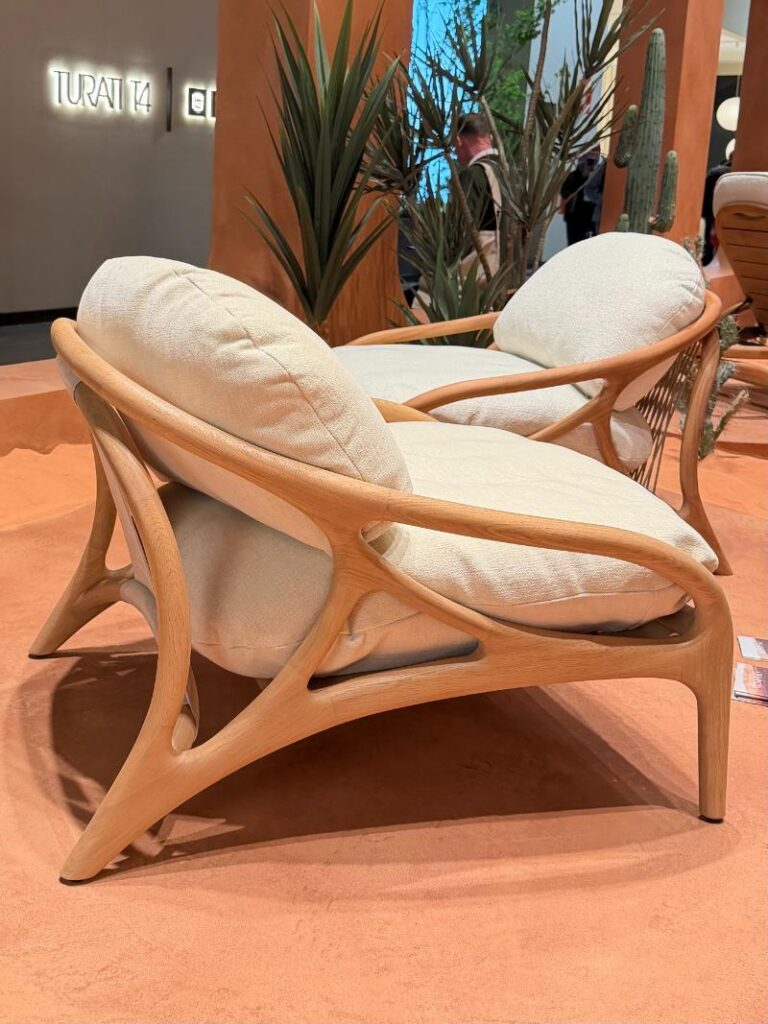
Warm timber tones, particularly burl finishes and richly grained veneers, softened the palette and brought a sense of permanence.
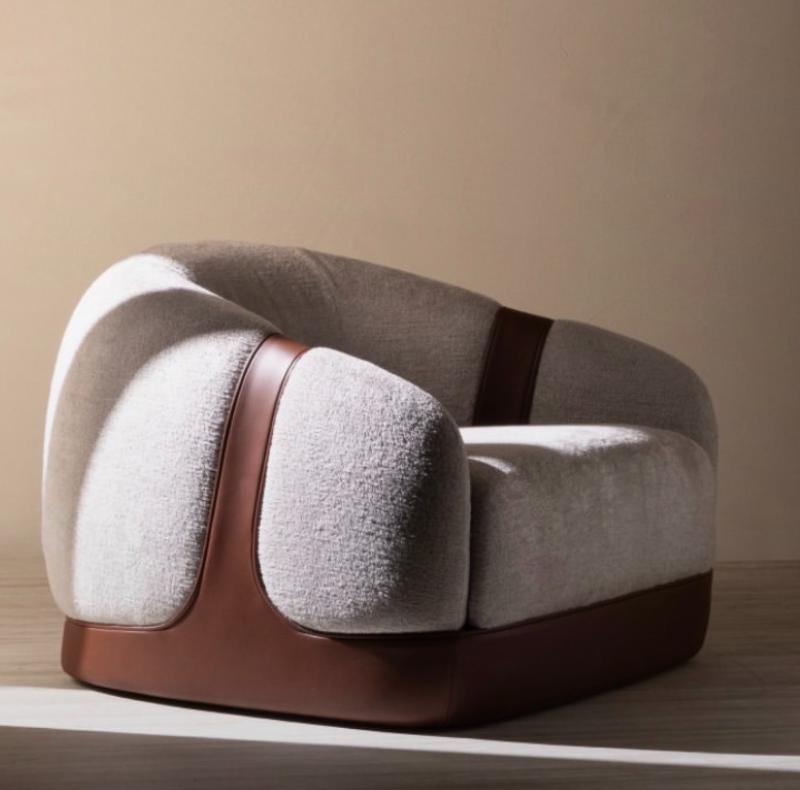
Furniture itself felt increasingly architectural.
Sofas, tables, occasional chairs, and sculptural pieces were not simply filling rooms. They were actively shaping them.
Volumes felt stronger.
Forms carried more presence.
Pieces anchored space.
At the same time, comfort remained central.
Curved silhouettes, softened edges, tactile fabrics, and sculptural forms still prioritised how people physically experience furniture.
There was a clear balance between expression and liveability.
Craftsmanship and Materiality Are Returning to the Forefront
Materiality played a major role throughout.
Stone, timber, textured fabrics, smoked glass, and layered surfaces brought depth and emotional warmth to interiors. Craftsmanship also felt more visible again.
The way things are made is clearly becoming just as important as how they look.
And underneath all of it sat one consistent idea.
Interiors are becoming more emotional.
More atmospheric.
More connected to how people want to feel within their homes.
What Sits Underneath All of It
When you step back from Milan as a whole, several things become very clear.
The Home Is Becoming One Connected Environment
Firstly, the boundaries between rooms are continuing to dissolve.
Kitchens are becoming extensions of living spaces.
Bathrooms are borrowing from the language of wellness retreats.
Furniture is shaping atmosphere rather than simply serving function.
The home is increasingly being treated as one connected emotional environment.
Interiors Are Becoming More Emotional
Secondly, there is a far stronger focus on sensory experience.
Texture.
Light.
Tactility.
Warmth.
Atmosphere.
The emotional feeling of a space now matters just as much as aesthetics.
Thoughtful Restraint Is Defining Luxury
And perhaps most importantly, there is a growing movement toward thoughtful restraint.
Not doing less for the sake of minimalism.
But doing things properly.
Resolving details.
Choosing materials carefully.
Allowing architecture and craftsmanship to speak without overcomplicating them.
This year, Milan did not feel focused on trend for trend’s sake.
It felt focused on longevity.
A Clear Takeaway From Milan
If there is one thing Salone del Mobile revealed this year, it is this.
Good design is no longer about adding more.
It is about creating spaces that feel calmer, smarter, warmer, and more resolved.
Kitchens and bathrooms are becoming quieter, but significantly more intelligent.
Furniture is becoming more architectural and emotionally connected.
And homes generally are moving toward a more considered way of living.
Not louder.
Not more excessive.
Just better resolved.
And ultimately, far more liveable